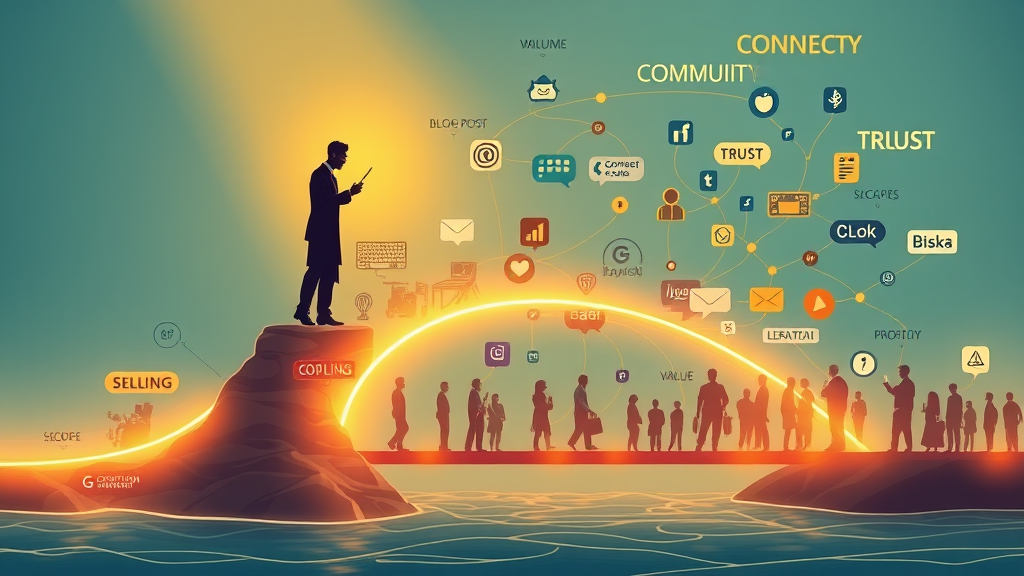
The Art of Digital Bridge Building: How I Learned to Stop Selling and Start Connecting
After three decades in this wild world of digital marketing, I’ve watched entrepreneurs make the same painful mistake over and over again. They create a product, build a website, and then wonder why nobody’s buying. It’s like opening a restaurant in the middle of the desert and expecting customers to just show up.

The truth is, I made this mistake too. Back in 1995, I launched my first online business with the confidence of someone who thought the internet was just a fancy Yellow Pages. Boy, was I wrong.
The Awakening: When Direct Selling Became Digital Suicide
I’ll never forget the day I realized everything had changed. It was 2018, and I was helping a client who’d spent $50,000 on Facebook ads that generated exactly zero sales. Zero. The ads were beautifully designed, the product was solid, but something fundamental was broken.
That’s when it hit me – we weren’t living in the Wild West of the internet anymore. People had evolved. They’d become sophisticated, skeptical, and frankly, exhausted by the constant barrage of “Buy Now” messages. The digital landscape had transformed from an open frontier into a complex ecosystem where trust was the only currency that mattered.
Today’s consumers don’t want to be sold to – they want to be understood, educated, and genuinely helped. This shift isn’t just a trend; it’s a fundamental rewiring of how humans interact with brands online.
The Bridge Concept: More Than Just a Clever Workaround
Let me tell you about Sarah, one of my clients who sells handmade jewelry. She was frustrated because Instagram kept flagging her posts as spam whenever she mentioned prices or pushed sales. Instead of fighting the platform, we took a different approach.
We created what I call a “bridge” – a content-rich space where Sarah could share the stories behind each piece, the inspiration from her travels, and tutorials on jewelry care. Her Instagram became a gallery of artistry rather than a sales catalog. The magic happened when people started asking where they could buy the pieces they’d fallen in love with through her stories.
That’s when I realized that bridge sites aren’t just about circumventing platform rules – they’re about creating genuine connections in a world where authenticity is increasingly rare.
The New Rules of Digital Engagement
Here’s what I’ve learned after watching thousands of businesses succeed and fail online: platforms like Facebook, Instagram, LinkedIn, and TikTok have become incredibly sophisticated at detecting fake engagement and pushy sales tactics. But here’s the beautiful irony – they reward authentic content creators who build genuine communities.
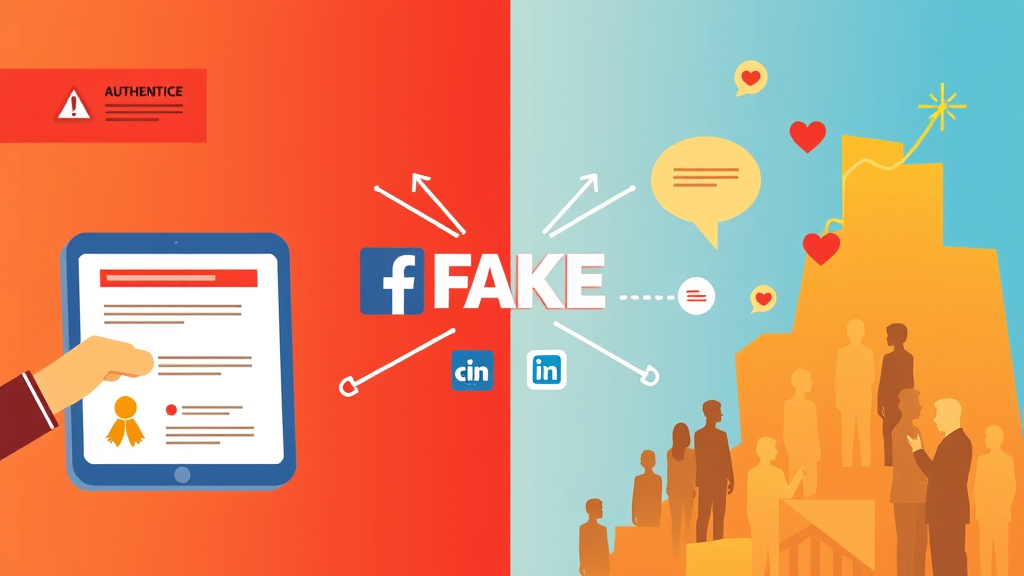
I remember when Gary Vaynerchuk was just a guy selling wine from his family’s liquor store. He didn’t start by pitching expensive wine consulting services. He started by genuinely caring about helping people discover wines they’d love. His passion was infectious, and people trusted him because he clearly knew his stuff and wasn’t trying to manipulate them into buying anything.
That trust eventually translated into a multi-million dollar personal brand, but it started with genuine value and authentic connection.
Platform Mastery: Where Real People Actually Hang Out
LinkedIn: The Untapped Goldmine (If You Do It Right)
I used to think LinkedIn was just for job seekers and corporate types sharing boring industry updates. I was so wrong it’s embarrassing. LinkedIn has quietly become the most powerful platform for building professional relationships and demonstrating expertise.
But here’s the thing – most people are still treating it like a corporate bulletin board. The opportunities lie in being genuinely human on a platform where everyone else is trying to sound like a press release.
I have a client, Michael, who runs a small accounting firm. Instead of posting about tax law changes (yawn), he started sharing stories about helping small business owners navigate their first profitable year. He wrote about the excitement in a baker’s voice when she realized she could finally pay herself a decent salary, or the relief of a contractor who thought he’d have to close his doors during COVID but found a way to pivot.
Those posts resonated because they were real, emotional, and helpful. People started reaching out not because they needed an accountant, but because they wanted to work with someone who clearly cared about his clients’ success.
TikTok: Where Authenticity Meets Algorithm Magic
I’ll admit it – I was a TikTok skeptic. “It’s just kids dancing,” I thought. Then I saw a plumber go viral by showing people how to fix common household problems. Not selling anything, just helping people save money on simple repairs.
That plumber now has over 2 million followers and a waiting list for his services that’s months long. He didn’t set out to become famous; he just wanted to help people. The algorithm rewarded that authenticity, and the audience rewarded it with loyalty and business.
The beauty of TikTok is that it doesn’t care how polished you are or how much money you’ve spent on production. It cares about whether people find your content valuable enough to watch until the end and share with their friends.
Instagram: Visual Storytelling That Actually Moves People
Instagram isn’t about perfect photos anymore – it’s about perfect moments. The accounts that thrive are those that make people feel something, whether it’s inspiration, nostalgia, humor, or hope.
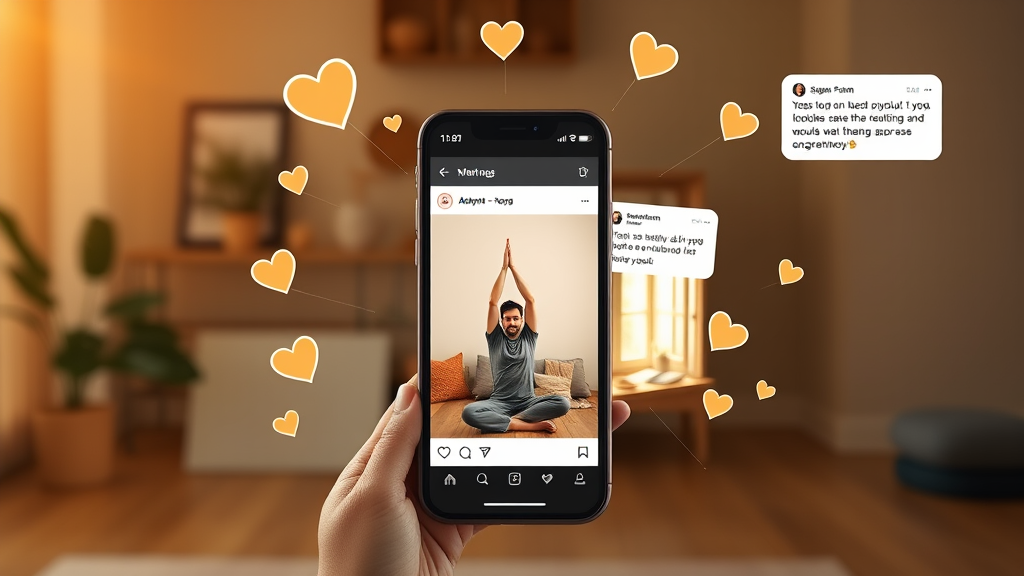
I work with a woman named Lisa who teaches yoga. Her Instagram isn’t filled with impossible poses in exotic locations. Instead, she shows real people of all shapes, sizes, and abilities finding peace and strength through yoga. She shares her own struggles with anxiety and how yoga helped her cope. Her vulnerability and authenticity have built a community of people who don’t just follow her – they trust her with their wellness journey.
The Content Hub Revolution: Your Digital Home Base
Here’s where things get interesting. While everyone else is chasing followers on social media, smart entrepreneurs are building their own digital real estate – content hubs that they actually own and control.
Think of your content hub as your digital living room. It’s where you invite people to really get to know you, where you share your best ideas, and where you build the kind of relationships that last beyond the latest algorithm change.
WordPress and Beyond: Choosing Your Foundation
I’ve been using WordPress since 2003, back when setting up a blog required actual technical skills. It’s grown into an incredible platform, but it’s not the only game in town anymore.
I recently moved one of my own sites to Ghost, and the difference is remarkable. It’s designed specifically for publishers and content creators, with built-in newsletter functionality and membership options that WordPress requires plugins to achieve. For someone focused on content marketing, it’s like upgrading from a Swiss Army knife to a professional tool kit.
Webflow has impressed me too, especially for clients who want their sites to look custom-designed without the cost and complexity of hiring developers. I have an interior designer client who moved from WordPress to Webflow and saw her conversion rate double, simply because her site finally looked as professional as her work.
The Tools That Actually Matter
After 30 years of trying every new marketing tool that promises to revolutionize everything, I’ve learned that the best tools are usually the simplest ones that you’ll actually use consistently.
For email marketing, I’ve settled on ConvertKit. It’s designed by creators for creators, and it shows. The automation features are powerful without being overwhelming, and the deliverability is excellent. I’ve tried them all – MailChimp, AWeber, ActiveCampaign – and ConvertKit just works the way my brain works.
For analytics, Google Analytics 4 was a nightmare to transition to, but now that I’ve got it set up properly, the insights are incredible. Combined with Hotjar for seeing how people actually use your website (spoiler: not the way you think they do), you get a complete picture of your audience’s behavior.
Traffic Generation: Building Bridges, Not Burning Them
The Community-First Revolution
The biggest shift I’ve seen in recent years is the move from audience building to community building. Audiences are passive – they consume your content and move on. Communities are active – they engage, share, and support each other.
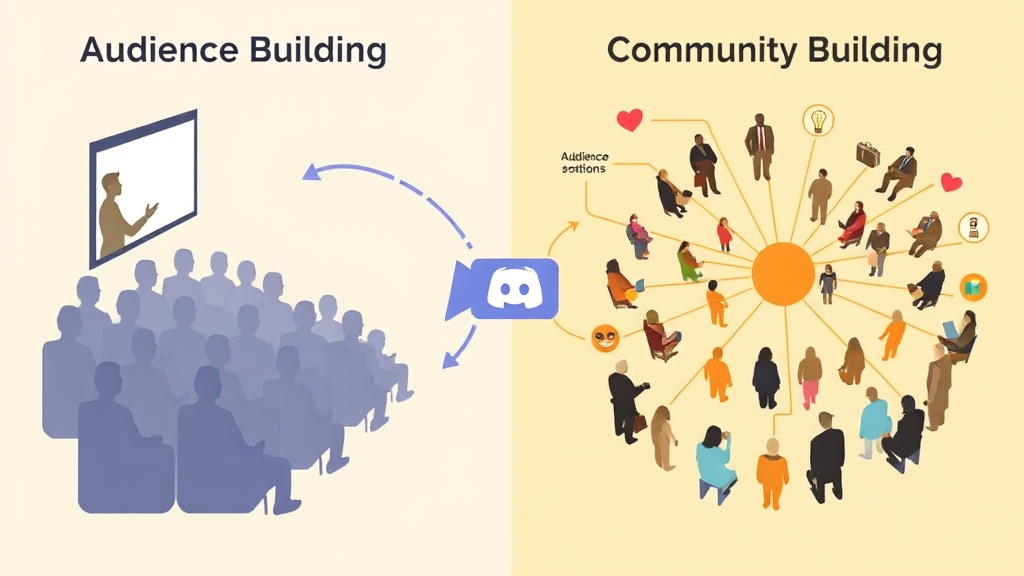
I help run a small Discord server for freelance writers, and the relationships that have formed there are incredible. People share job opportunities, collaborate on projects, and support each other through the inevitable ups and downs of freelance life. Many members have never hired me directly, but they’ve referred dozens of clients because they know and trust me through the community.
Building a community takes time and genuine care, but the business results are unlike anything else I’ve experienced in my career.
Podcast Guesting: The Overlooked Goldmine
Everyone talks about starting a podcast, but I think guesting on other people’s podcasts is often more effective, especially when you’re starting out. You get access to an established audience that already trusts the host, and you don’t have to worry about the technical and time demands of producing your own show.
I’ve been a guest on over 200 podcasts in the last five years, and those appearances have generated more high-quality leads than any other single marketing activity. The key is being genuinely helpful rather than promotional. When hosts know you’ll deliver value to their audience, they’ll invite you back and recommend you to other shows.
SEO in 2025: It’s About People, Not Robots
Google’s algorithm has become incredibly sophisticated at understanding what people actually want when they search for something. The old tricks of keyword stuffing and link manipulation don’t just not work anymore – they can actually hurt your rankings.
The sites that rank well now are those that thoroughly answer people’s questions and provide a great user experience. Brian Dean from Backlinko figured this out years ago, and his comprehensive guides consistently outrank competitors because they’re genuinely more helpful.
I’ve seen small businesses outrank major competitors simply by creating content that better serves their audience’s needs. It’s not about gaming the system anymore – it’s about serving real people with real problems.
The Psychology of Modern Content Marketing
Why People Share (And Why It Matters More Than Ever)
After analyzing thousands of pieces of content that went viral for my clients, I’ve identified three key emotions that drive sharing: usefulness, identity, and connection.
People share useful content because it makes them look smart and helpful to their friends. They share content that reflects their identity because it helps them communicate who they are. And they share content that makes them feel connected to something bigger than themselves.
The most successful content hits at least two of these three emotional triggers. A tutorial that solves a common problem (useful) and reflects the sharer’s expertise (identity) is almost guaranteed to get shared.
The Trust Factor: Why Vulnerability Wins
One of the biggest changes I’ve observed is how much audiences appreciate vulnerability and authenticity from brands and entrepreneurs. People are tired of the polished, perfect image that dominated marketing for so long.
I have a client who runs a small marketing agency, and his most popular blog posts are the ones where he shares his failures and what he learned from them. These posts get more engagement, shares, and leads than his “expert advice” posts, even though the advice is solid.
There’s something deeply human about learning from other people’s mistakes and struggles. When you’re vulnerable about your journey, you give others permission to be imperfect too, and that creates a powerful bond.
Building Your Bridge: A Real-World Approach
Phase 1: Foundation (The Hard Thinking)
Before you write a single blog post or create a single video, you need to get crystal clear on who you’re serving and how you want to help them. This sounds obvious, but most people skip this step and wonder why their content doesn’t resonate.
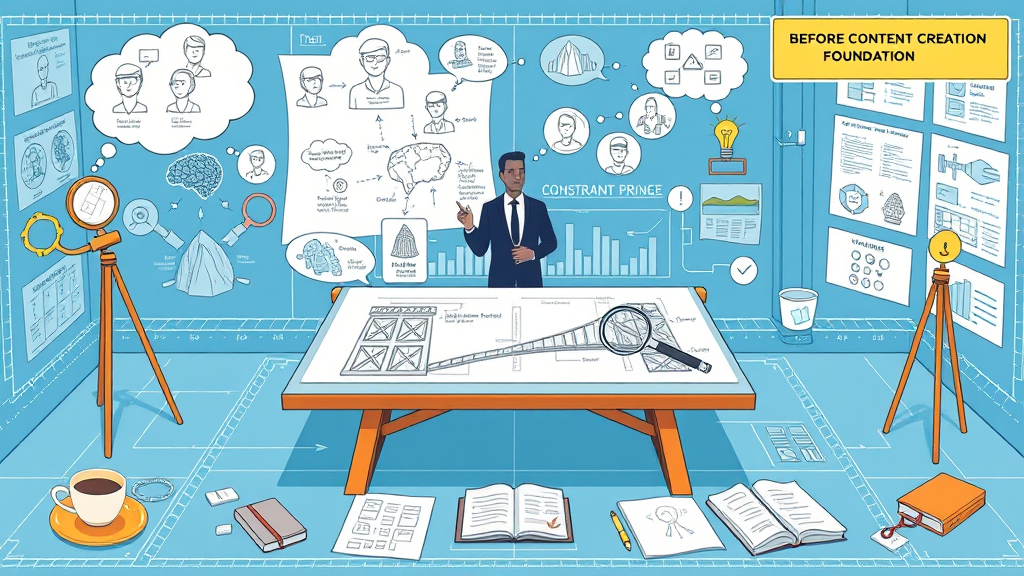
I spend at least a full day with new clients just talking about their ideal customers. Not demographics – though those matter – but psychographics. What keeps these people awake at night? What are they secretly afraid of? What would make their life significantly better?
Once you understand this at a deep level, content creation becomes much easier because you’re solving real problems for real people rather than creating content for the sake of having content.
Phase 2: Creation (The Daily Discipline)
Consistency beats perfection every single time. I’d rather see someone publish good content every week for a year than perfect content once a month. The weekly publisher will have a much larger, more engaged audience by the end of the year.
Find a publishing schedule you can realistically maintain and stick to it religiously. Your audience needs to know when to expect new content from you, and you need the discipline of regular creation to improve your skills.
Phase 3: Connection (The Long Game)
This is where most people drop the ball. They create great content but fail to build real relationships with their audience. You need to be actively engaging with comments, emails, and social media interactions. This doesn’t scale efficiently, but it’s what separates successful content creators from everyone else.
I still personally respond to every email I receive from readers, even though my list has grown to over 100,000 people. It takes time, but those personal connections have led to some of my best business opportunities and most rewarding professional relationships.
Common Mistakes That Kill Content Bridges
The Over-Automation Trap
I get it – automation is tempting. Why spend time crafting individual responses when you can set up chatbots and autoresponders to handle everything? Because people can tell the difference, and they care.
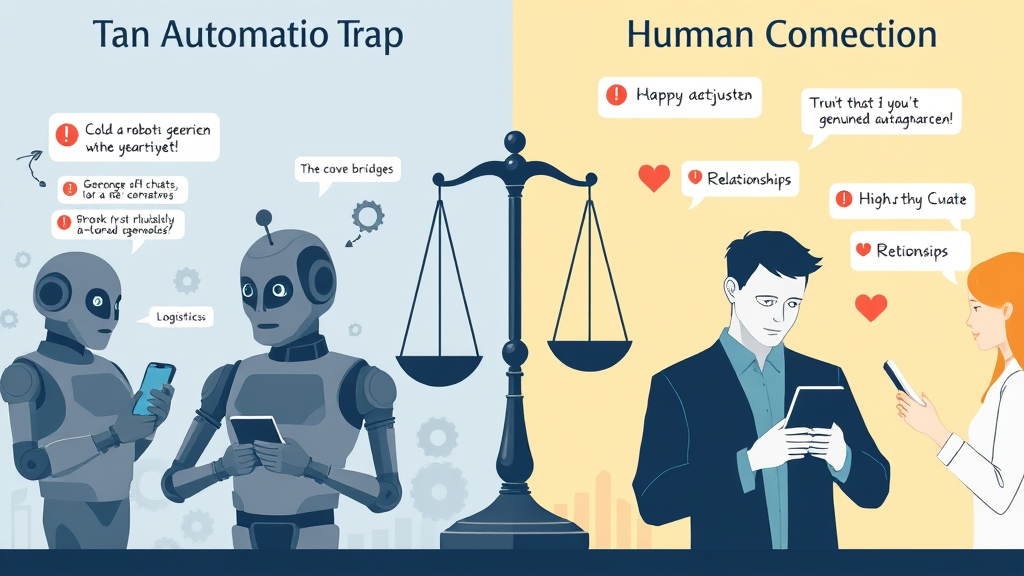
I recently received an obviously automated response to a genuine question I’d sent to a business owner I respected. That one interaction changed my entire perception of his brand. Instead of seeing him as approachable and authentic, I suddenly saw him as too busy or important to care about his audience.
Use automation for logistics, not for relationship building.
Platform Dependency Syndrome
I’ve watched too many businesses get destroyed overnight when a platform changed its algorithm or policies. Remember when Facebook’s algorithm changes decimated organic reach for business pages? Thousands of companies that had built their entire marketing strategy around Facebook suddenly couldn’t reach their own customers.
Your email list and your website are the only marketing assets you truly own. Everything else is rented space, and the landlord can change the rules at any time.
The Content Treadmill
Creating content can become addictive in a dangerous way. You start believing that you need to constantly feed the content monster or your audience will forget you. This leads to burnout and, worse, content that’s created just to fill space rather than to serve your audience.
Some of my most successful pieces of content were created during periods when I was publishing less frequently but thinking more deeply about what my audience really needed.
The Future of Bridge Building
AI and Authenticity: The Coming Tension
AI tools like ChatGPT and Claude can help with research and ideation, but they can’t replace the human experiences and perspectives that make content truly valuable. As AI-generated content floods the internet, authentic human voices will become even more precious.
The businesses that thrive will be those that use AI to enhance their human capabilities rather than replace them.
The Micro-Community Explosion
Large audiences are becoming less valuable than small, highly engaged communities. I’d rather have 1,000 people who read everything I write and trust my recommendations than 100,000 followers who barely notice when I post.
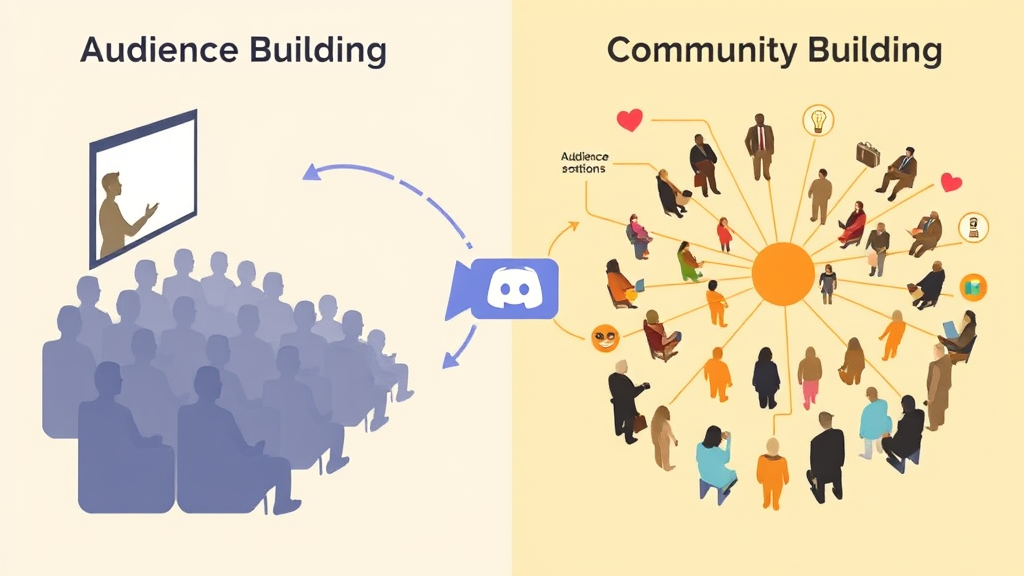
This trend toward smaller, more intimate communities rewards creators who can build deep relationships rather than broad reach.
Privacy and Personalization
As privacy regulations tighten and third-party cookies disappear, the businesses that have built strong first-party relationships through valuable content will have a huge advantage. You can’t target people you don’t know, but you can serve people who have chosen to share their information because they trust you.
The Personal Side of Professional Success
Let me be honest with you about something: this work is deeply personal. When you put your ideas and experiences out into the world, you’re making yourself vulnerable. Some people will disagree with you, misunderstand you, or even attack you.
But here’s what I’ve learned after 30 years: the rewards of building genuine connections through authentic content far outweigh the risks. Some of my closest friendships have grown out of professional relationships that started with someone reading something I wrote and feeling compelled to reach out.
The business results are important – I’m not running a charity – but the human connections that grow from this work have enriched my life in ways I never expected when I first started putting words on a screen.
Your Bridge Awaits
The internet is noisy, crowded, and often overwhelming. But it’s also full of people looking for exactly what you have to offer – whether that’s expertise, products, services, or simply a perspective they haven’t considered before.
Your content bridge isn’t just a marketing strategy; it’s your contribution to the vast human conversation happening online every day. It’s your chance to help people, solve problems, and build something meaningful.
The tools and tactics I’ve shared in this article will evolve and change. New platforms will emerge, algorithms will shift, and what works today might not work tomorrow. But the fundamental principles – providing genuine value, building authentic relationships, and serving real human needs – those are timeless.
Start building your bridge today. Your future customers are out there, looking for someone exactly like you. Make it easy for them to find you, trust you, and ultimately, choose to work with you.
After three decades in this business, I can promise you this: there’s never been a better time to connect with the people you’re meant to serve. The tools are more powerful, the audiences are more accessible, and the world needs what you have to offer.
The only question is: are you ready to build your bridge?
“Poverty dwells in narrow minds, while wealth is born from the womb of great ideas”
Written & Created by: José Al-Sahli
Business Strategist & Vision Inspirer
Under the supervision and patronage of: electadigital.com